
Leadership lessons from ancient Rome

Leadership in ancient Rome was a fusion of military command, political strategy, and philosophical discipline. While modern leadership often emphasizes emotional intelligence and soft skills, Roman leadership was deeply rooted in duty, power, and control. From Augustus to Marcus Aurelius, leadership styles evolved, yet their principles remain strikingly relevant to today’s corporate executives and senior managers.
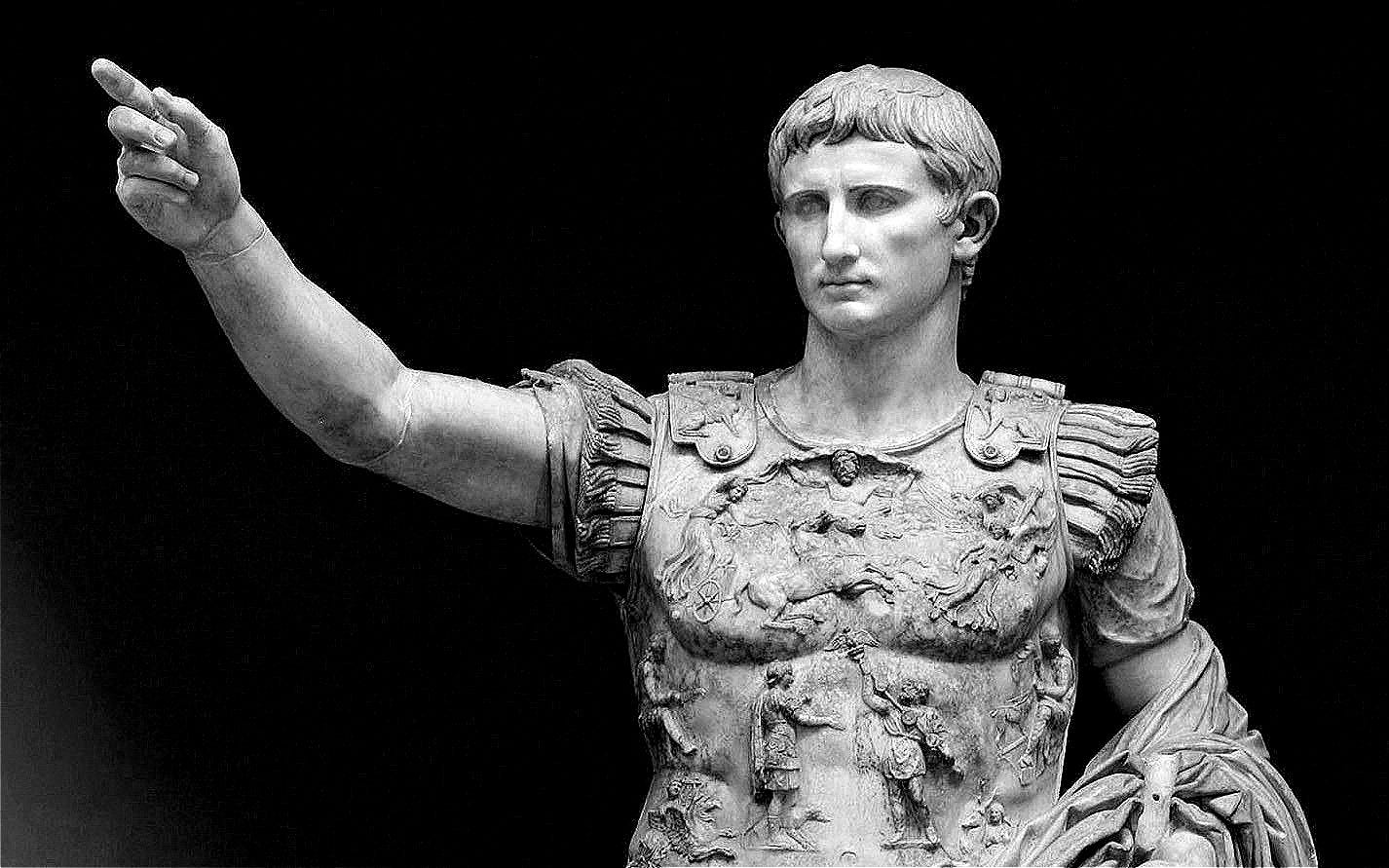
Gaius Julius Caesar Augustus (23 September 63 BC – 19 August AD 14)
The philosophical foundations of Roman leadership
Roman leadership philosophy was heavily influenced by earlier Greek thinkers like Plato and Aristotle. Plato’s concept of the Philosopher-King emphasized that the best rulers were wise, rational, and motivated by the pursuit of justice rather than personal gain (Plato, The Republic, p. 473d). Augustus, Rome’s first emperor, embodied this principle by presenting himself as a stabilizing force rather than a tyrant, maintaining the illusion of Republican values while consolidating power (Suetonius, 1997, p. 45). His leadership was transformational, akin to modern corporate executives who balance innovation with stability while navigating political landscapes.
Aristotle’s leadership ethics emphasized governance through practical wisdom, justice, and ethical decision-making (Aristotle, Politics). Roman leaders such as Marcus Aurelius followed this model, integrating Stoic philosophy into governance. Meditations reveal his commitment to justice, humility, and self-restraint (Aurelius, 2003, p. 102). His leadership style aligns with modern ethical leadership models, where CEOs are expected to demonstrate integrity, social responsibility, and long-term vision rather than short-term personal gain.
Military and civic leadership: discipline and strategy
The Roman emphasis on military and civic leadership was deeply influenced by Cicero and Roman military traditions (Cicero, On Duties, p. 94). Military discipline was not only about conquest but also about leadership development. Centurions, much like today’s senior managers, were expected to execute strategic objectives while maintaining team morale (Vegetius, 1993, p. 63). This leadership-by-example approach mirrors modern corporate leadership pipelines, where rising executives must demonstrate operational expertise before ascending to top positions.
What today’s executives can learn from Rome
Strategic governance matters – The balance of power under Augustus resembles modern corporate governance structures, where CEOs navigate board dynamics while consolidating strategic influence.
Authority and Influence are different – The Senate’s role in shaping Rome aligns with advisory board leadership, reminding executives that informal influence can be more powerful than direct control.
Leadership by example – Marcus Aurelius’ Stoic leadership, emphasizing ethical responsibility, is reflected in modern transformational leadership styles.
Building future leaders – Just as Rome relied on centurions as battlefield managers, today’s organizations must invest in leadership development and succession planning.
References
Aurelius, M. (2003). Meditations. Translated by G. Long. Penguin Classics.
Aristotle (1998). Politics. Translated by C.D.C. Reeve. Hackett Publishing.
Cicero, M. T. (2000). On Duties. Translated by M. Atkins. Cambridge University Press.
Livy, T. (2002). The Rise of Rome. Translated by T. J. Luce. Oxford University Press.
Plato (2004). The Republic. Translated by C. D. C. Reeve. Hackett Publishing.
Polybius (1979). The Histories. Translated by W. R. Paton. Harvard University Press.
Suetonius, G. (1997). The Twelve Caesars. Translated by R. Graves. Penguin Classics.
Vegetius, F. (1993). Epitoma Rei Militaris. Translated by N. P. Milner. Liverpool University Press.