
Leadership, Justice, and the Legacy of Cyrus

Reflecting on Cyrus the Great and his leadership style, I find it remarkable how a ruler from 2,500 years ago still offers such relevant lessons for today’s world. The Cyrus Cylinder, often considered the first declaration of human rights, is a testament to his ethical leadership. When he conquered Babylon in 539 BCE, he didn’t impose his rule through fear and oppression like so many before him. Instead, he prioritized religious tolerance, fairness, and governance that valued people’s trust. Seeing a copy of the Cyrus Cylinder at the United Nations Headquarters today reminds me of how timeless these principles are.
It makes me think, how often do today’s leaders think about fairness as the foundation of their leadership?
Cyrus is also an iconic figure in the Bible, recognized for his leadership and his role in shaping history beyond his empire. This biblical recognition further reinforces his legacy as a leader who valued freedom, inclusivity, and ethical governance.
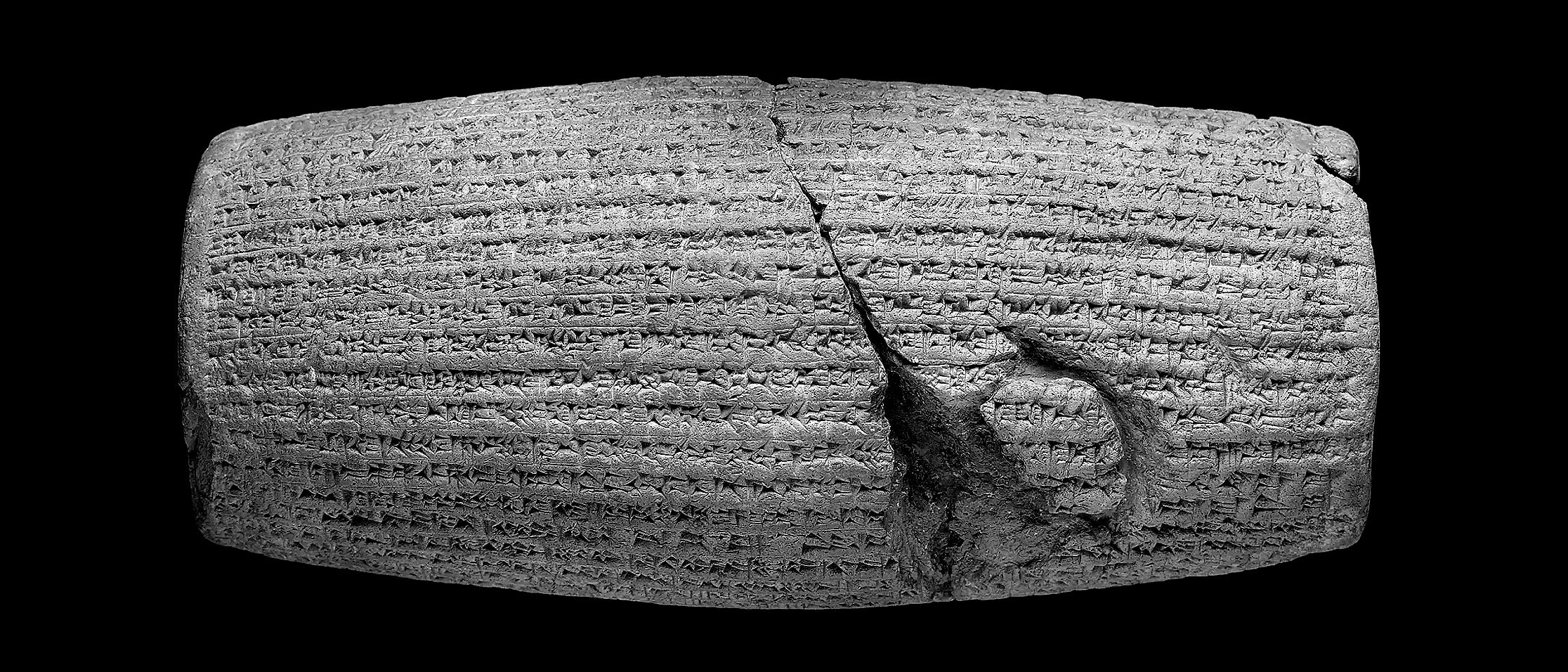
A passage from the Cyrus Cylinder itself reflects this vision of leadership:
"I returned to these sacred cities… the sanctuaries of which have been in ruins for a long time… the images which used to live therein, and established for them permanent sanctuaries. I also gathered all their former inhabitants and returned them to their homes." (Cyrus Cylinder, 6th century BCE)
This statement underscores Cyrus' commitment to justice, cultural respect, and governance rooted in trust rather than domination.
The lesson from Cyrus is straightforward: ethical leadership isn’t just a moral choice; it’s a strategic one. Integrity and transparency don’t just create a positive work culture; they foster loyalty, innovation, and sustainable success. Leaders who genuinely care about fairness build organizations that thrive in the long run.
Navigating cultural complexity in a global world
Cyrus ruled over an incredibly diverse empire, and instead of forcing one culture on everyone, he embraced cultural intelligence. He allowed people to maintain their religions and traditions while integrating them into a larger political system. This inclusivity helped him maintain stability and minimize resistance.
Today, executives face similar challenges in leading diverse teams and operating in global markets. Cultural awareness is more important than ever. Leaders who respect different perspectives and create inclusive environments foster stronger relationships and drive innovation. I’ve seen organizations that prioritize diversity thrive because they can connect with a broader range of customers, adapt to different markets, and create more dynamic teams.
Leadership that stands the test of time
Reflecting on Cyrus’ legacy makes me think about what kind of leadership truly lasts. The most successful leaders aren’t those who demand obedience but those who inspire trust, develop talent, and build systems that endure beyond their tenure. Whether in an empire or a boardroom, leadership that is ethical, strategic, and empowering is the kind that stands the test of time.